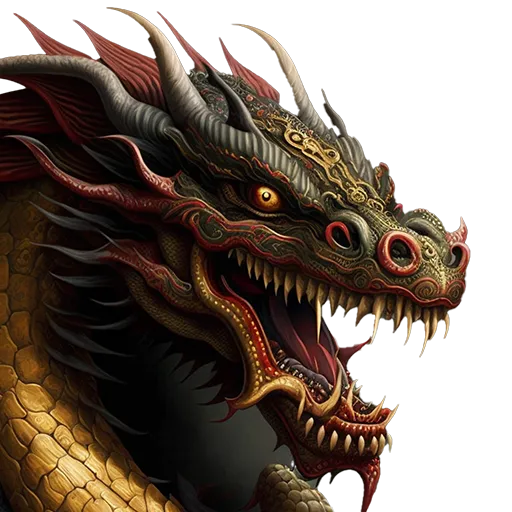
Liu He Ba Fa (六合八法), or Lok Hop Pa Fa in Cantonese), is also known as Shui Quan (水拳) Water Boxing or Water Style. Its origin is credited to a Daoist sage named Chen Po, also known as Chen Tuan (878-989), who was associated with the Hua Shan Daoist Monastery on Mount Hua in the Shanxi province of China.
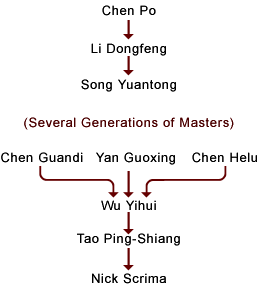
Liuhe Bafa, can also be written as Liu He Ba Fa and Liuhebafa, literally translates as Six Harmonies and Eight Methods. It is a unique Internal Chinese Martial Arts system whose roots date back to the Song Dynasty (960 – 1279). The chief proponent of the style was Wu Yihui (吴翼翚1886-1958) who taught it at the Nanjing Guo Shu Guan before the outbreak of the Second Sino-Japanese war and China’s eventual occupation by Japan. The late Master Tao Pingxiang (陶炳祥,1919 -2006), my teacher in the art, learned the style directly from Wu Yihui in the 1930s and was one of eight direct disciples.
Note: Dao Pingxiang used Tao Ping-Siang and signed as Peter P. S. Tao. Hyphenation is commonly used in Taiwan where the Wade-Giles spelling is still widely used. He was affectionately addressed as Dr. Tao.
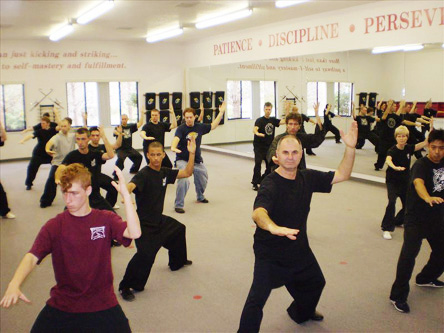
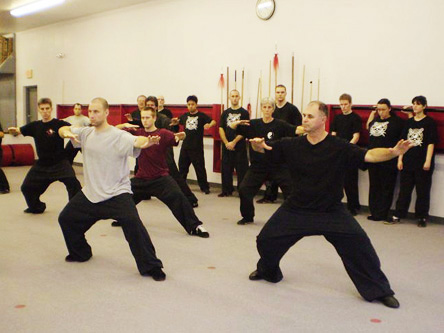
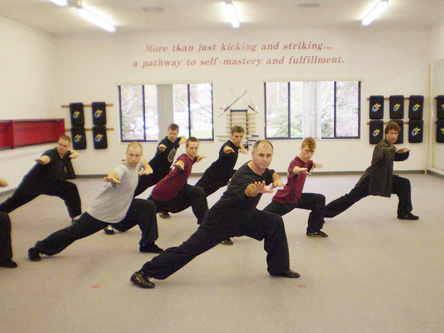
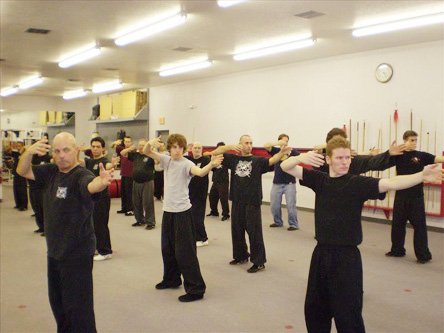
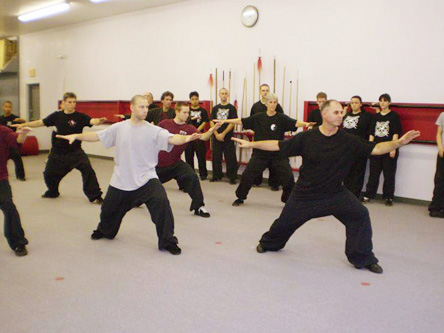
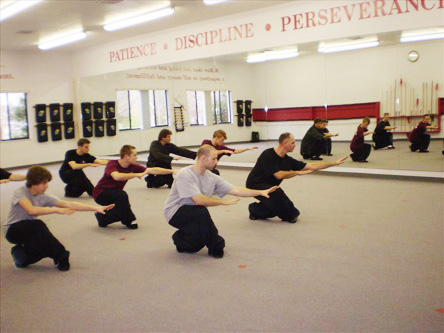
Liuhe Bafa movements, while generally slow, are performed differently from Taiji Quan (Tai Chi) movements. At times, the movements are very slow and at other times slightly faster. The postures rise and fall and the demeanor of the practitioner changes accordingly. The movements can be like a running stream that is sometimes calm, meandering around rocks and eddies, only to rush forward and then slow down again, or like a calm lake suddenly stirred by the wind, or the action of a wave as it rises and falls. It is likely that the analogies to water led to the popular name of Water Style. Even more subtle are the energy changes that occur in accordance with the changing movements.
Liuhe Bafa training incorporates both internal and external concepts governed by the Liuhe and Bafa principles. Liu He, the Six Harmonies, focuses on internal harmonization. Bafa, the Eight Methods, on the one hand deals with applying the Liu He principles. On the other hand one must implement Ba Fa into functional applications and fighting.
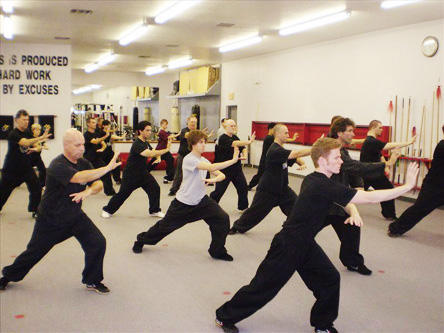
Integral to Liuhe Bafa training are the Daoyin and Qi Gong methods, the special internal breathing and meditation practices. The core of the art is the 66-Posture routine (a form that incorporates more than 530 distinctive movements) and its practical applications. I also learned Qing Long Jian (青龍劍) – Liuhe Bafa Green Dragon Sword from Master Liu Xiaoling (刘晓凌, 1950) , who in turn learned it from his teacher, Master Li Daoli (李道立), a classmate of Dao Pingxiang.
Liuhe Bafa is wonderful to practice and beautiful to watch. It has profound benefits both as a means of maintaining and improving one’s health and as a superior form of martial arts for self-defense. Wu Yihui, referred to the style as Hua Yue Xin Yi Liu He Ba Fa (華岳心意六合八法拳), or Mind Intent Six Harmonies and Eight Methods from Hua Mountain.
Benefits of Liuhe Bafa
The practice of Liuhe Bafa dispels sickness, invigorates the internal organs, builds vitality, promotes relaxation and a calm demeanor, and at higher levels develops superior self-defense skills.
Lineage
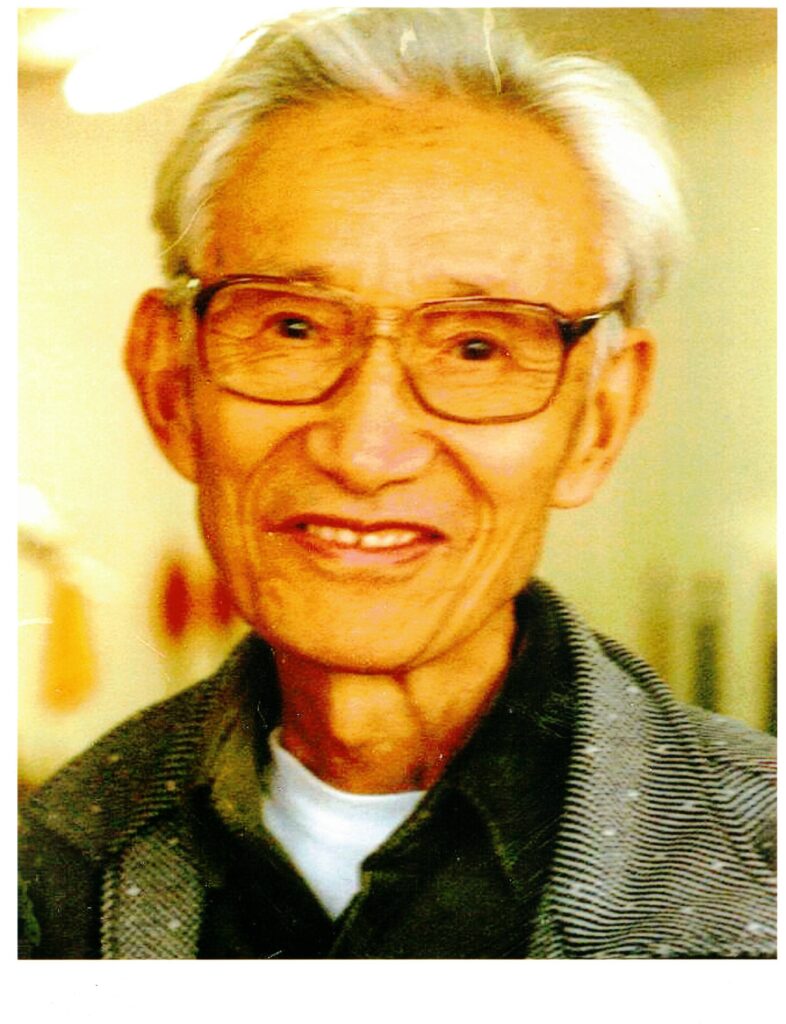
Dao Pingxiang – Tao Ping-Siang. Cleveland, Ohio
Image Gallery
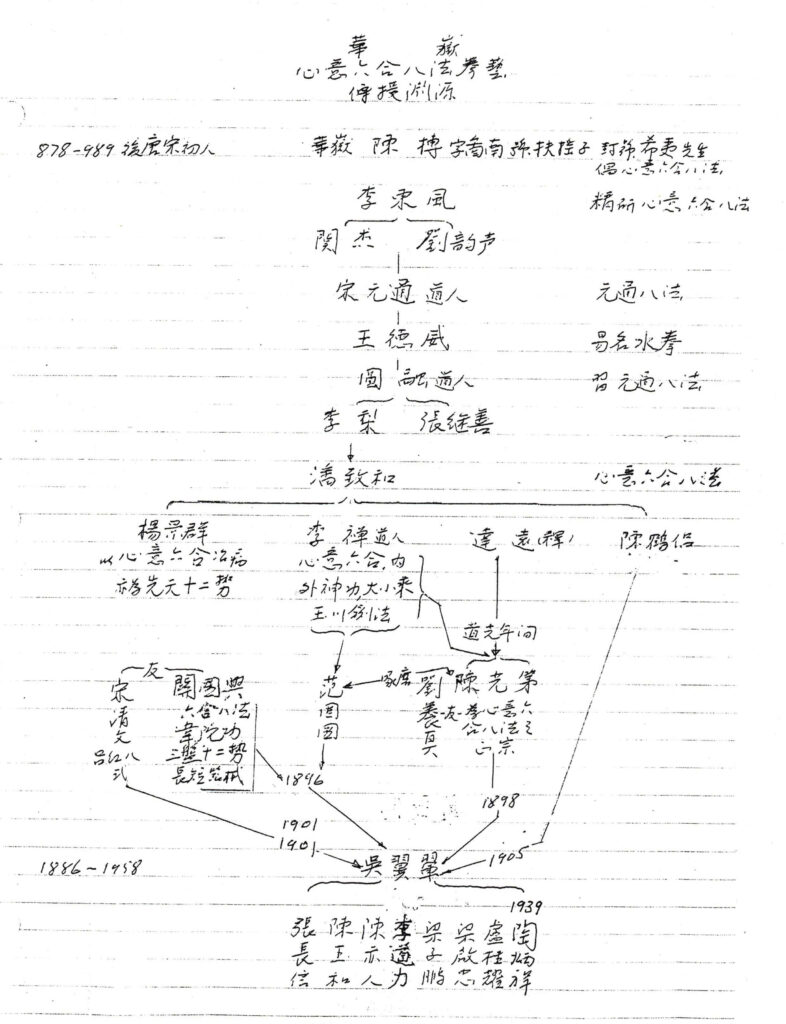
The Above Lineage Chart is from Dao Pingxiang’s handwritten notes.